Tri Form Series
Expansion of Structure, Form, and Space and the Formation of a Triple System
Tri Form Series presents a body of work in which the fundamental formal elements introduced in BYR Prime Elements are extended and recombined into a more complex structural configuration.
In BYR Prime Elements, the relationships of Blue–Square, Yellow–Triangle, and Red–Circle functioned as independent formal units. In this series, however, these elements are no longer confined to their original formal correspondences. Instead, they are expanded into three broader plastic concepts—Structure (Gyeok), Form (Hyeong), and Space (Gong)—and recombined within a single system.
Blue and Square are thus rearticulated as structure, forming the framework that supports the whole; Yellow and Triangle become form, generating physical density and visual presence; and Red and Circle are transformed into space, organizing the intervals and relations between elements. Each component thereby assumes an expanded role within the overall system.
Integration of the Three Elements and Formation of Structure
In the Tri Form Series, the three elements are not arranged in parallel. They operate simultaneously within a single structure, influencing one another’s position and function in the formation of the whole.
The structural element (structure) acts as the framework that sustains the system, while the formal element (form) establishes visual weight and concentration within that framework. At the same time, space emerges between elements, separating and connecting them while regulating the overall balance of the structure. These three elements do not maintain a fixed hierarchy. Their relative significance and relationship shift according to the mode of combination, producing different structural configurations.
Balance and Tension
A key characteristic of this series lies in the fact that the three elements do not converge into a single center. Instead, each element generates tension in a different direction, and the overall structure is maintained through the balance of these tensions. In some configurations, structure is emphasized, resulting in a more stable form; in others, form or space becomes dominant, producing a more dispersed and dynamic impression. The perceived center may shift depending on the viewpoint, and the work resists being read as a fixed composition. Rather, it presents a condition that can be interpreted from multiple orientations.
Formation of Form
In the Tri Form Series, form is not a predetermined outcome, but something that emerges through the relationships among the three elements. Structure supports form; form becomes visible within space; and space, in turn, regulates the relationship between structure and form.
In this process, no single element exists independently. Each acquires meaning only through its connection with the others. Form is therefore understood not as a fixed entity, but as a state produced through interaction.
From Elementary Units to an Expanded System
This series demonstrates the process through which the fundamental units introduced in BYR Prime Elements are expanded into a coherent system.
Where the earlier stage presented individual elements as discrete units, the Tri Form Series organizes these elements into a unified structure, advancing toward a more complex treatment of form through relational conditions. The basic formal units are thus extended into the three plastic principles of structure, form, and space, which then operate together within a single system.
. . .
Tri Form Series shows how the fundamental elements—Blue–Square, Yellow–Triangle, and Red–Circle—are expanded into the three conceptual categories of structure, form, and space, and how these elements combine to generate a unified structure.
Rather than presenting a single resolved form, the series unfolds through a range of possible states produced by the interaction of these three elements. It is not centered on a fixed outcome, but on the dynamic condition in which structure, form, and space continuously interact and reorganize.

Schematic Studies: Circle Geometry
Circle Geometry is a digital drawing series developed in advance of actual object production, created to explore a range of geometric structures and formal relationships centered on the circle.

Schematic Studies: Schematic Objects Study from Circle Geometry
Schematic Objects Study from Circle Geometry is a body of work that extends the circle-centered geometric structures and formal relationships explored in Circle Geometry into actual objects, examining how planar schemata may be transformed into spatial form.

Schematic Studies: Schematic Painting Study from Core Searching Drawings
Schematic Painting Study from Core Searching Drawings is a body of work that extends the semicircle-based formal structures explored in the earlier Core Searching Drawings into the field of painting. Reconstructing the basic forms developed through drawing within a painterly surface, this series combines color, light, and variable visual perception in order to generate a new sensory order. It is therefore not simply a translation of drawing into painting, but a pictorial

Schematic Platform no.1
Schematic Platform no.1 is an installation work that presents the overall concept of Schematic Medium by organizing drawings, paintings, objects, and structural elements into a single integrated spatial formation. Rather than displaying individual genres side by side as separate categories, this work brings together the different formal languages developed over time and activates them as one unified work.

Pattern Studies
Pattern Studies is a body of work centered on pattern as one of the formal elements of Schematic Medium, exploring how repetition, arrangement, color, and rhythm generate structure within the picture plane. In this series, pattern does not function as a merely decorative device or surface repetition, but as a key formal principle through which visual order and sensory rhythm are constructed.
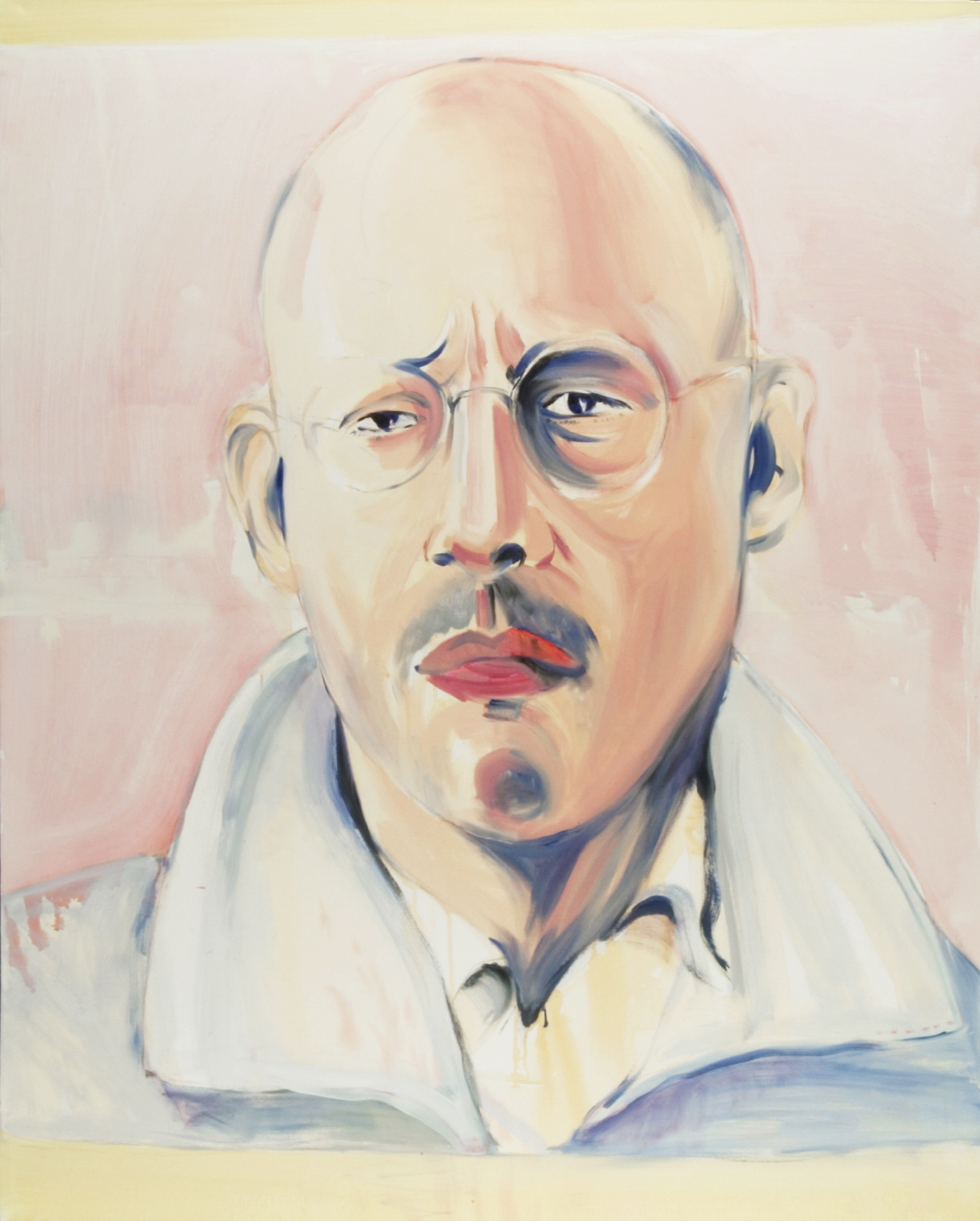
Face Series
The Face series is a body of paintings centered on the human face. Moving beyond conventional portraiture, the works explore emotional and psychological traces of human presence through color, brushstroke, composition, and expression. Each painting articulates the individuality and atmosphere of its subject through painterly means.
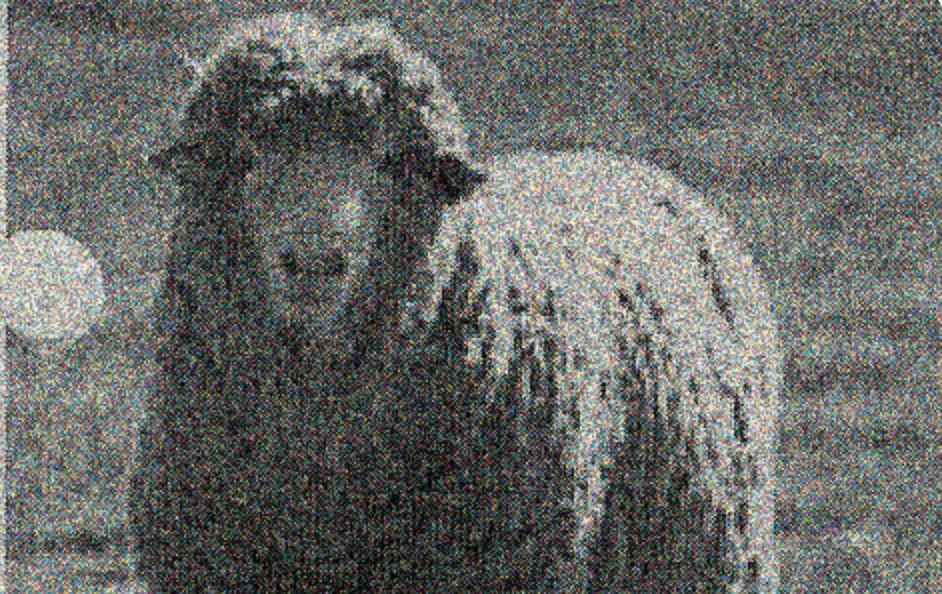
Genetic Clones: Hello! Dolly!
The sheep that appear on the surface maintain a consistent formal structure, yet emerge in different states through variations in color, composition, and surface treatment. Here, the figure of the sheep is treated not as an object of realistic representation, but as something reduced to a simplified unit of form. The body and face are constructed through the relationship between concise masses and planes, while descriptive detail is deliberately restrained. This reduction does not aim to explain the subject concretely, but to reveal how form itself is organized and transformed.