Core Searching series: ‘Semi-Circle & No.9’ Drawing Series
An Early Body of Work Exploring the Possibilities and Limitations of Human Existence through the Structure of the Semi-Circle and the Symbolism of the Number 9
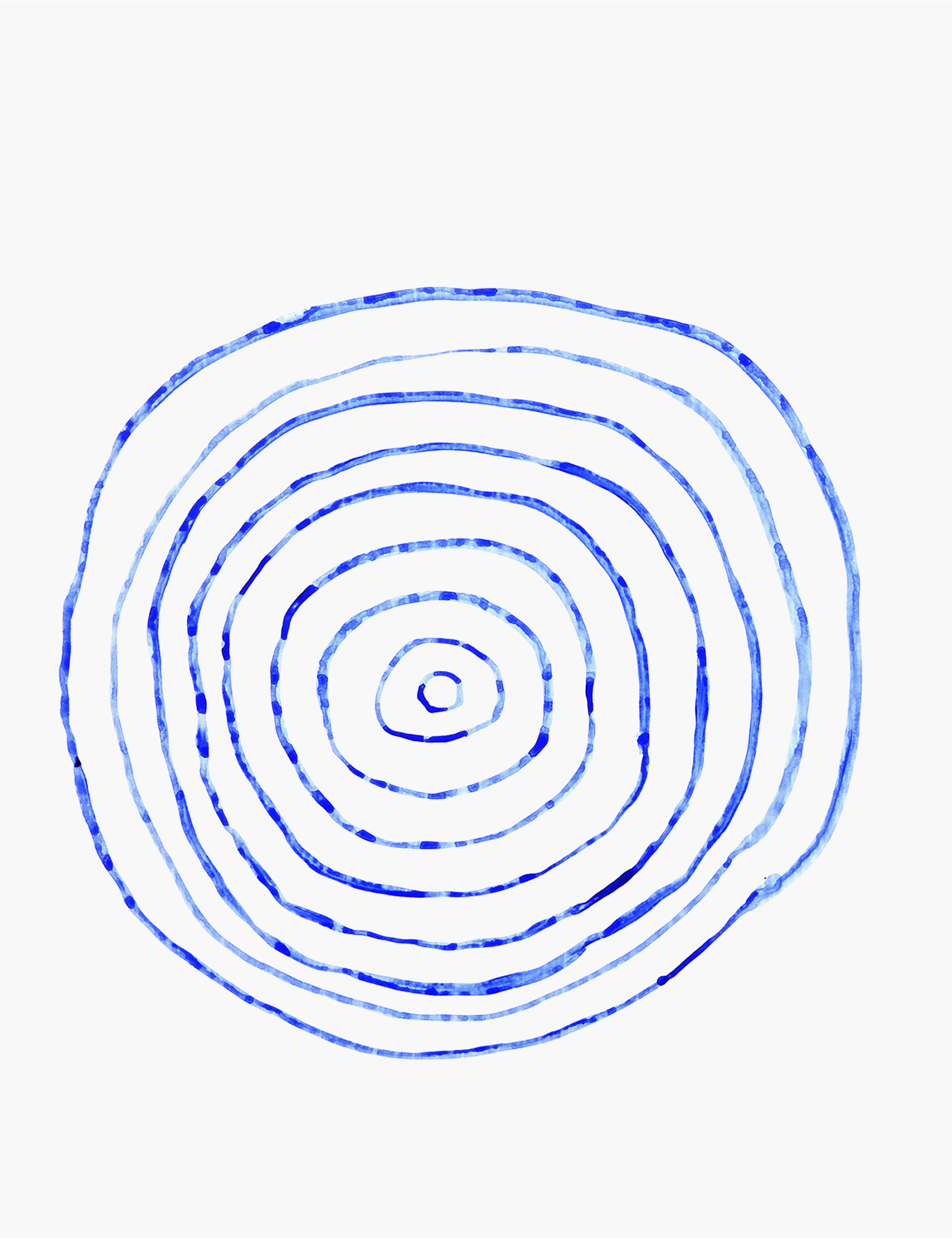
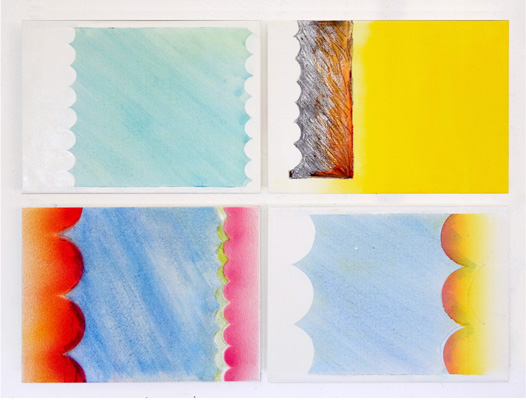
The Semi-Circle & No.9 series is an early body of work within Schematic Medium, consisting of drawings that repeatedly present the form of the semi-circle and the number 9 in order to explore both the possibilities of human existence and its concrete limitations. In this series, the semi-circle and the number 9 do not function merely as motifs or signs, but as minimal structural languages through which the human condition is examined. One is an incomplete form that never reaches the perfection of the full circle, while the other stands at the final point of the single-digit numerical system. By bringing these two elements together, the artist articulates, in formal terms, the condition of the human being as one that continually aspires toward wholeness, yet inevitably remains confined within its own limits.
The semi-circle is the central form of this series. If the circle has traditionally symbolized completeness, continuity, totality, and infinity, then the semi-circle signifies a state in which only part of that complete order is revealed. In this sense, the semi-circle may be understood as a form that visualizes a stage prior to completion: a condition that moves toward wholeness, yet has not arrived there. Within this body of work, the semi-circle is not simply half of a circle, but a structural marker that condenses the essential incompleteness and finitude of human existence. Compared with the absolute order and completeness associated with nature and the cosmos, the human condition is presented here as partial, limited, and fundamentally unfinished.
The number 9 likewise carries an important significance in this series. As the final single-digit number, 9 marks both the highest attainable point and the threshold immediately before transition into another order. In other words, it symbolizes a state that comes closest to completion, yet never becomes completion itself. The number suggests the furthest point that human perception and action may reach, while at the same time implying the limit beyond which one cannot proceed by one’s own means. In this series, therefore, 9 functions less as a symbol of achievement than as a condensed sign of the human condition, in which possibility and limitation coexist at once.
In this way, the semi-circle and the number 9 are distinct formal elements that nevertheless share the same conceptual ground. Both point not to the outside of completeness, but to a condition that draws near to it without ever coinciding with it. By repeatedly rendering this structure, the artist does not simply define the human being as a deficient existence, but rather presents it as one situated within a continual movement toward what it cannot fully attain. What matters here is not completion itself, but the sustained act and process of approaching it.
In this work, drawing is presented not as a preparatory stage or preliminary sketch, but as an independent mode of thought. In particular, the medium of acrylic on paper is an important condition for understanding the formal character of the series. Paper is a support that responds immediately and sensitively, while acrylic is a material through which the trace of the line, its rhythm, and its layered development can be revealed with relative directness. This combination clarifies the performative nature of drawing. Unlike the dense materiality or closed surface of canvas, acrylic on paper retains the sequence of gestures, as well as the pressure, speed, hesitation, and repetition embedded in the act of making, with greater sensitivity. The work therefore appears less as a finished image than as the visible accumulation of thought through line.
Within this series, line does not remain confined to the function of outlining form. It acts instead as a structural unit that engages space, generates form, and organizes the rhythm and tension of the pictorial surface. Lines expand outward from a center, intersect or separate from one another, and create an organic flow across the surface. At times they waver loosely; at others they accumulate with condensed density, producing a subtle sensory vibration within the image. This movement of line is less concerned with presenting a stable form than with revealing the process through which form is produced, dissolved, and reorganized. In this respect, the drawings of Semi-Circle & No.9 place greater emphasis on the generation of structure and the rhythm of repetition than on representational description.
Repetition is another central principle of this work. Here, repetition is not the mechanical reproduction of an identical form, but a performative practice in which the same structure is drawn again and again while minute differences and variations gradually accumulate. The curvature of the semi-circle, the density of the line, the relationship between center and outer edge, and the contraction or expansion of the form all shift subtly through repetition, leaving traces of time and action on the surface. Repetition therefore functions not merely as a formal device, but as a way of articulating the human condition: a condition in which one recognizes one’s limitations and yet continues to attempt, redraw, and reconstruct.
Ultimately, the Semi-Circle & No.9 series may be understood as an important point of departure within the early formation of Schematic Medium, using the minimal formal elements of the semi-circle and the number 9 to examine the possibilities and limitations of human existence. The work is not a declaration of complete form, but rather a sustained attention to the process through which meaning is constructed through repetition and performance within the human condition, where completeness remains unattainable. The medium of acrylic on paper makes this processual quality even more direct, preserving the traces of line and the accumulation of time on the surface with particular sensitivity. As a result, this series can be understood not simply as a group of drawings, but as a body of work that structurally visualizes human incompleteness and the persistence of practice.
What is 'Schematic Medium'?
‘Schematic Medium’ is the core methodology penetrating my artistic world. It is a structure of thinking that does not seek to reproduce the essence of the world, but rather to model how the world operates. This term is defined on two levels
Schematic Chart
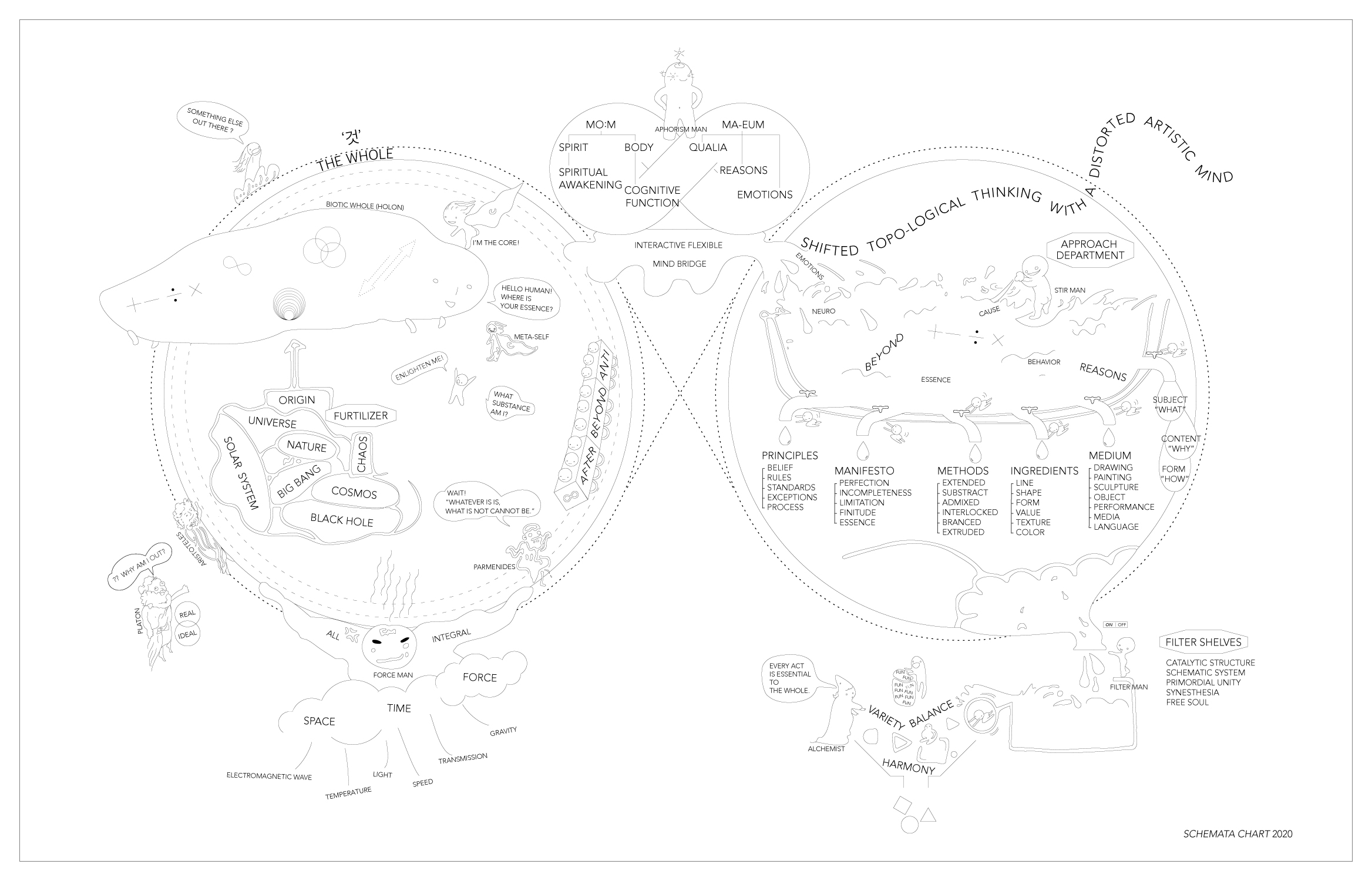
The left sector of the chart contains a deep exploration into how I dissect and perceive the source of life and existence. Core concepts like 'Origin', 'Universe', 'Nature', and 'Chaos' are interwoven with the physical dimensions of 'Time' and 'Space.' This reveals that I perceive the world not as a mere phenomenon, but by deconstructing it into fundamental forces and orders. Crucially, the Holon philosophy offers an integrated perspective, showing that every entity is both 'the whole and the part', forming the core pillar of my ontological thought. This sector is the solid foundation of my artistic contemplation and the very manner in which I perceive the cosmos and the self.
Featured Characters
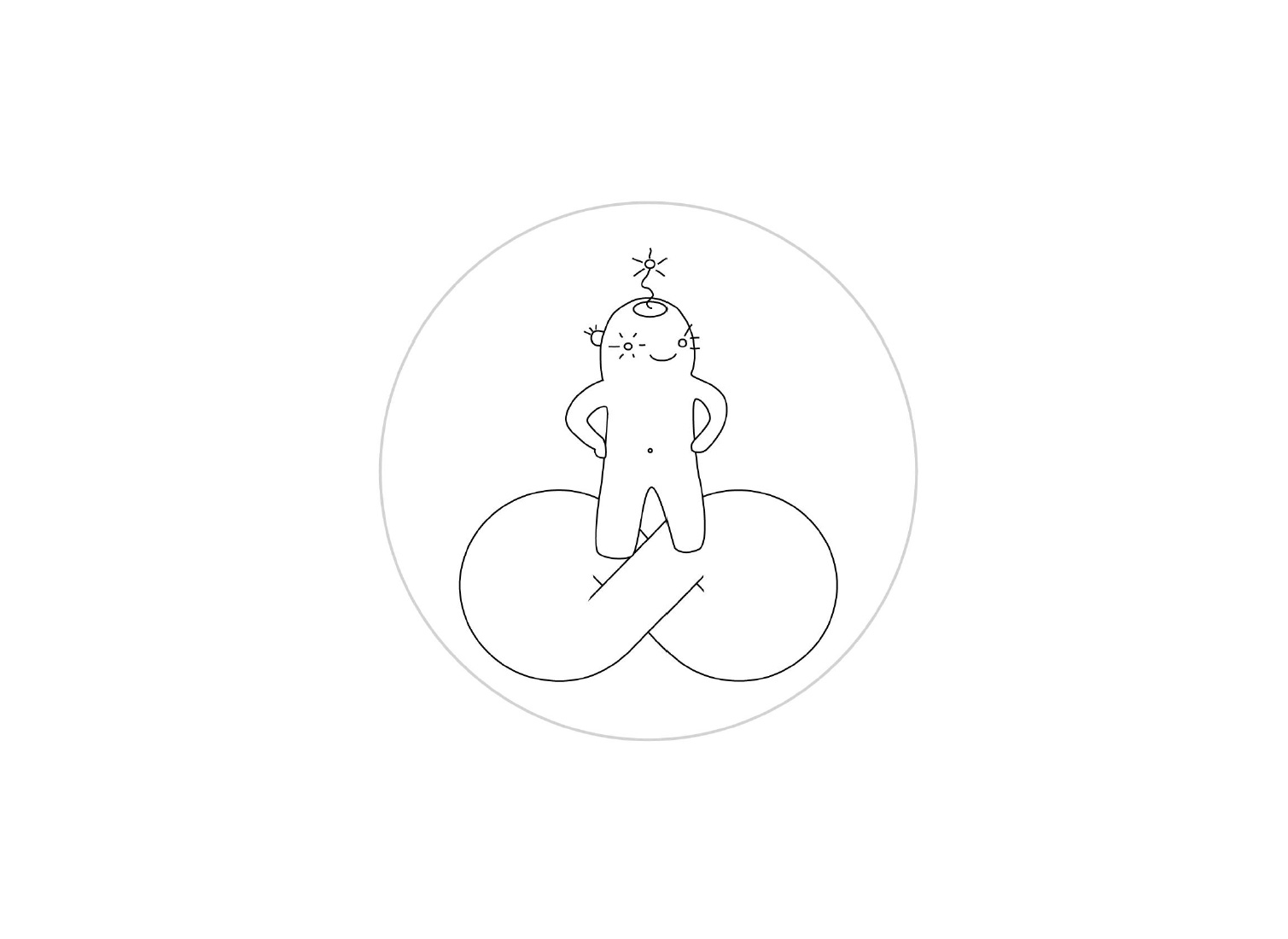
In the Schematic Chart, my emanated self, RD (Revolutionary Debris), appears alongside other characters. These characters show how my mind and artistic world are structured, and guide viewers to explore my world with enjoyment. Each character goes beyond being a simple symbol and carries the operating principles of the Schematic Medium and hints about forthcoming works. Through this, viewers do not merely appreciate my work but pre-experience another narrative and the possibility of expansion. In the end, this chart is a map that reflects a dimension we do not see in everyday life. Through it I clarify the way I understand and express the world and offer viewers a new visual and philosophical experience. I wish to share not only simple artistic expression but deep thinking and an original perspective.

BYR 99 Prime Elements
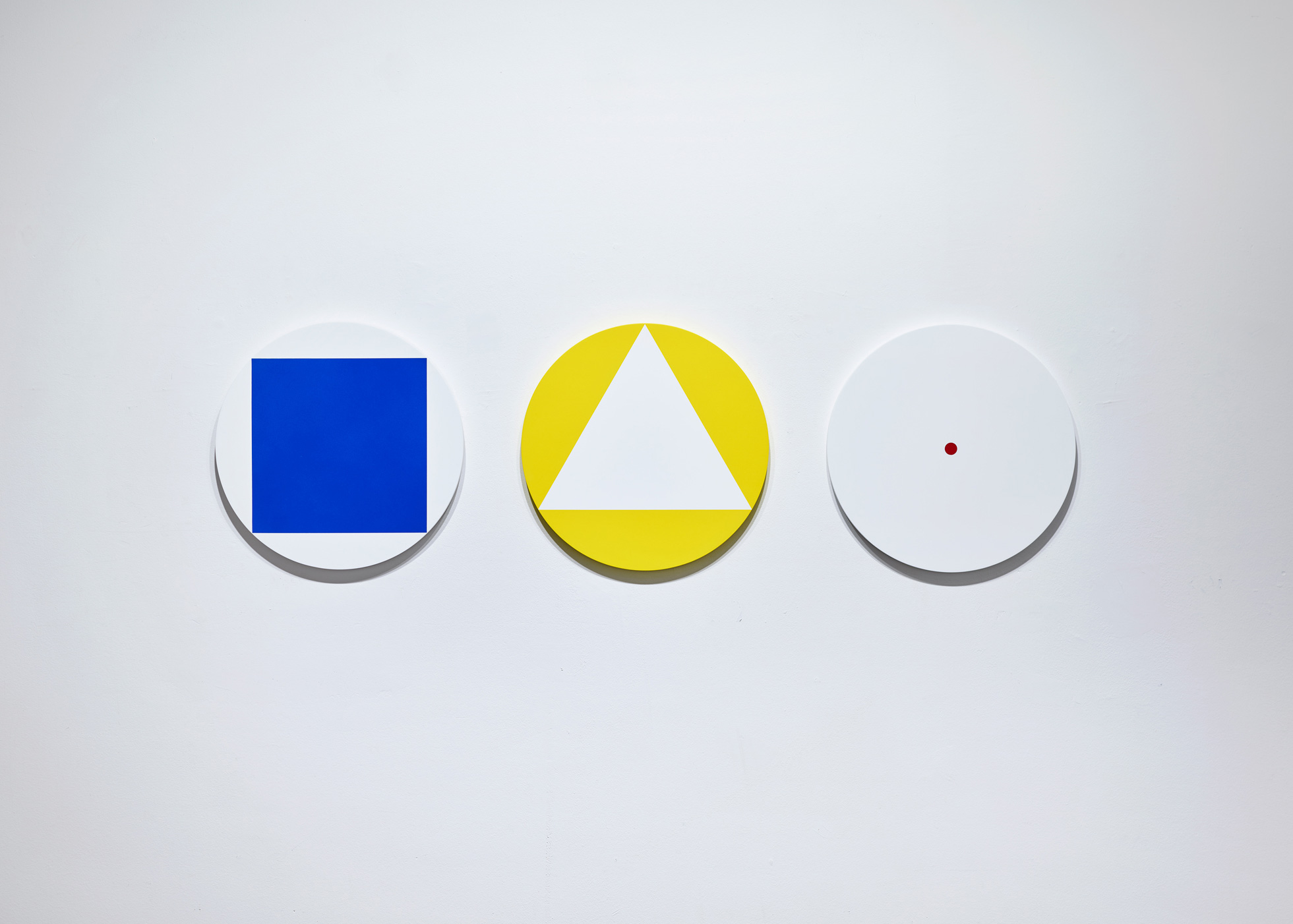
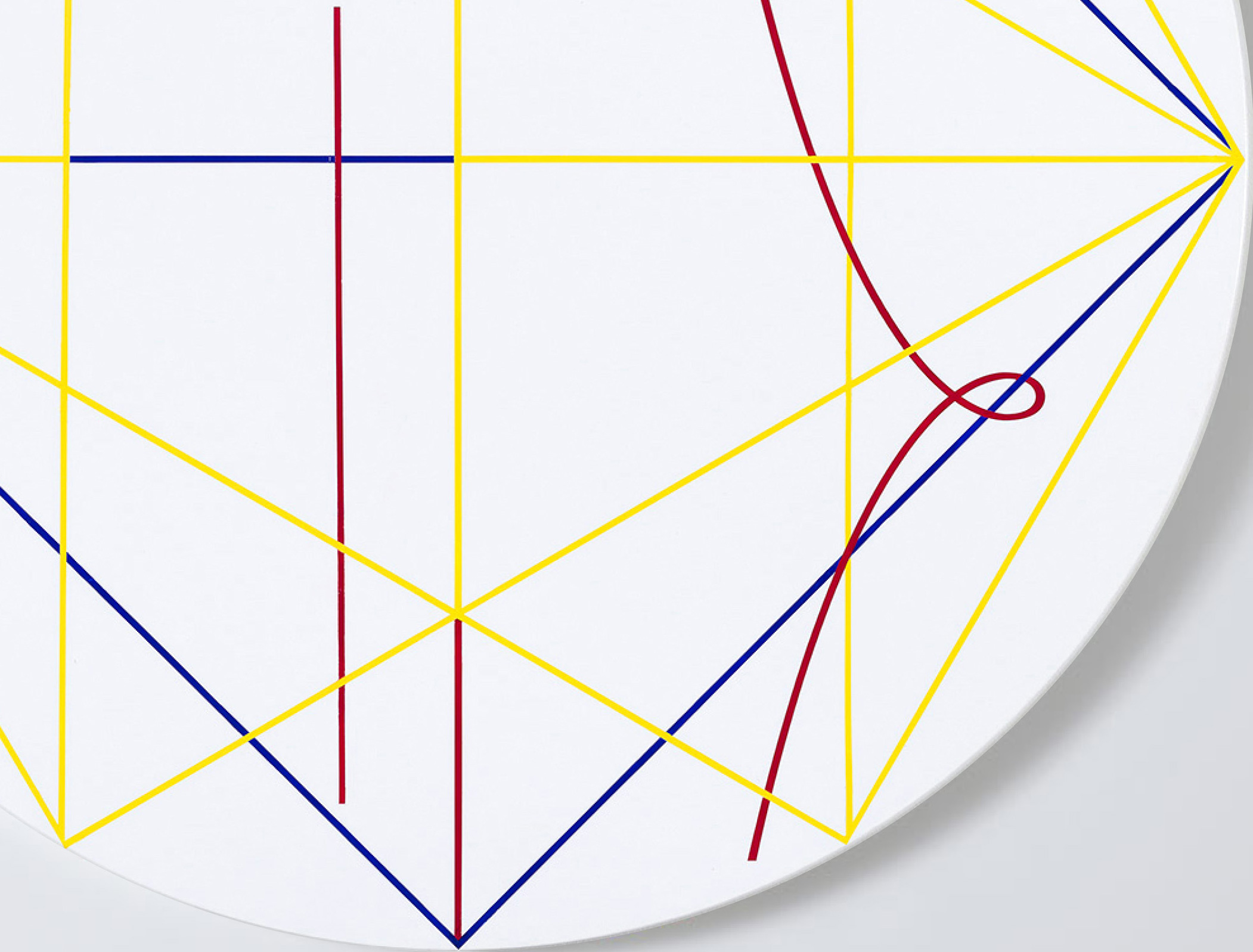
BYR 99 Prime Elements constitutes the most fundamental structural framework of Kim Heejo’s visual language. The series establishes the minimal unit of form through ninety‑nine elements—thirty‑three each of Blue, Yellow, and Red. Each element carries a specific formal code: Blue (square / human), Yellow (triangle / nature), and Red (circle / cosmos), and the relationships among these three elements generate the artist’s visual system.
BYR Organic Schemata
BYR Organic Schemata develops from the structure of BYR Prime Elements and demonstrates the organic expansion of the formal system. Through the combination and variation of the basic elements, new configurations of form and structure emerge. The series moves beyond simple geometric units to explore a more fluid and organic visual order.
Tri Form Series
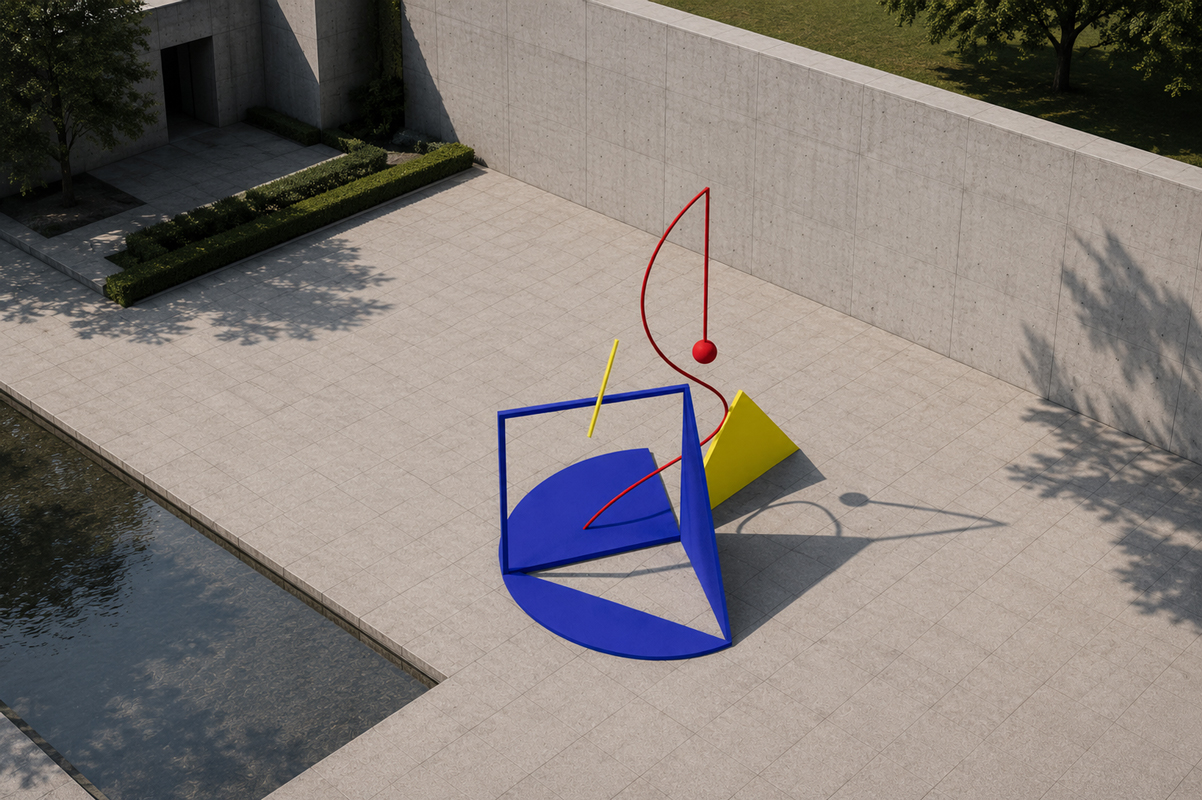
The Tri Form Series rearticulates the conceptual structure of BYR Prime Elements as a unified system. Whereas Blue (Gyeok), Yellow (Hyeong), and Red (Gong) were previously presented as independent formative principles, here they are reconfigured to operate simultaneously within a single, integrated structure.
Core Searching series: ‘Semi-Circle & No.9’ Drawing Series
Core-Searching Drawings are early works that investigate the fundamental structure of the artist’s visual language. Through repeated variations of simple forms and signs, the drawings explore the process through which conceptual ideas transform into formal structures. These drawings mark the starting point of a visual system that later expands into painting and object-based works.
Core Searching series: Core Searching Paintings
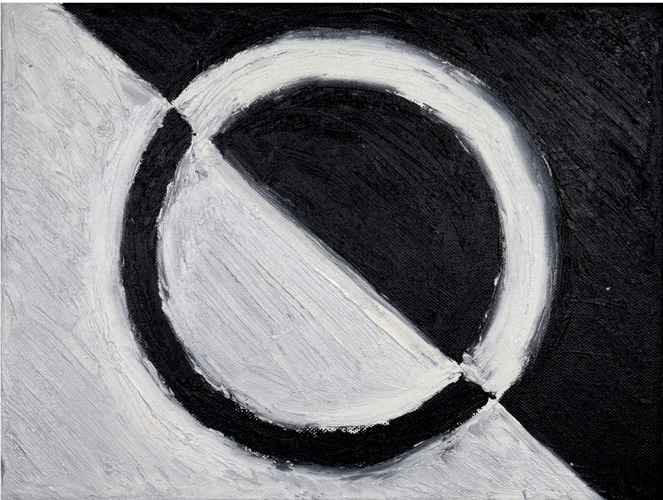
Core Searching Paintings is a body of paintings that explores bodily movement and performative process through the fundamental formal language of BYR: the color system of Blue, Yellow, and Red, and the geometric structures of the square, triangle, and circle.
Core Searching series: Color Layered Line Drawing Series
“Color-Layered Line” Drawing Series is a body of work in which colored lines, generated through the movement of the artist’s hand across a measured distance, are layered and accumulated on the surface to form fundamental structures and formal relationships centered on the semicircle.

Schematic Studies: Circle Geometry
Circle Geometry is a digital drawing series developed in advance of actual object production, created to explore a range of geometric structures and formal relationships centered on the circle.